

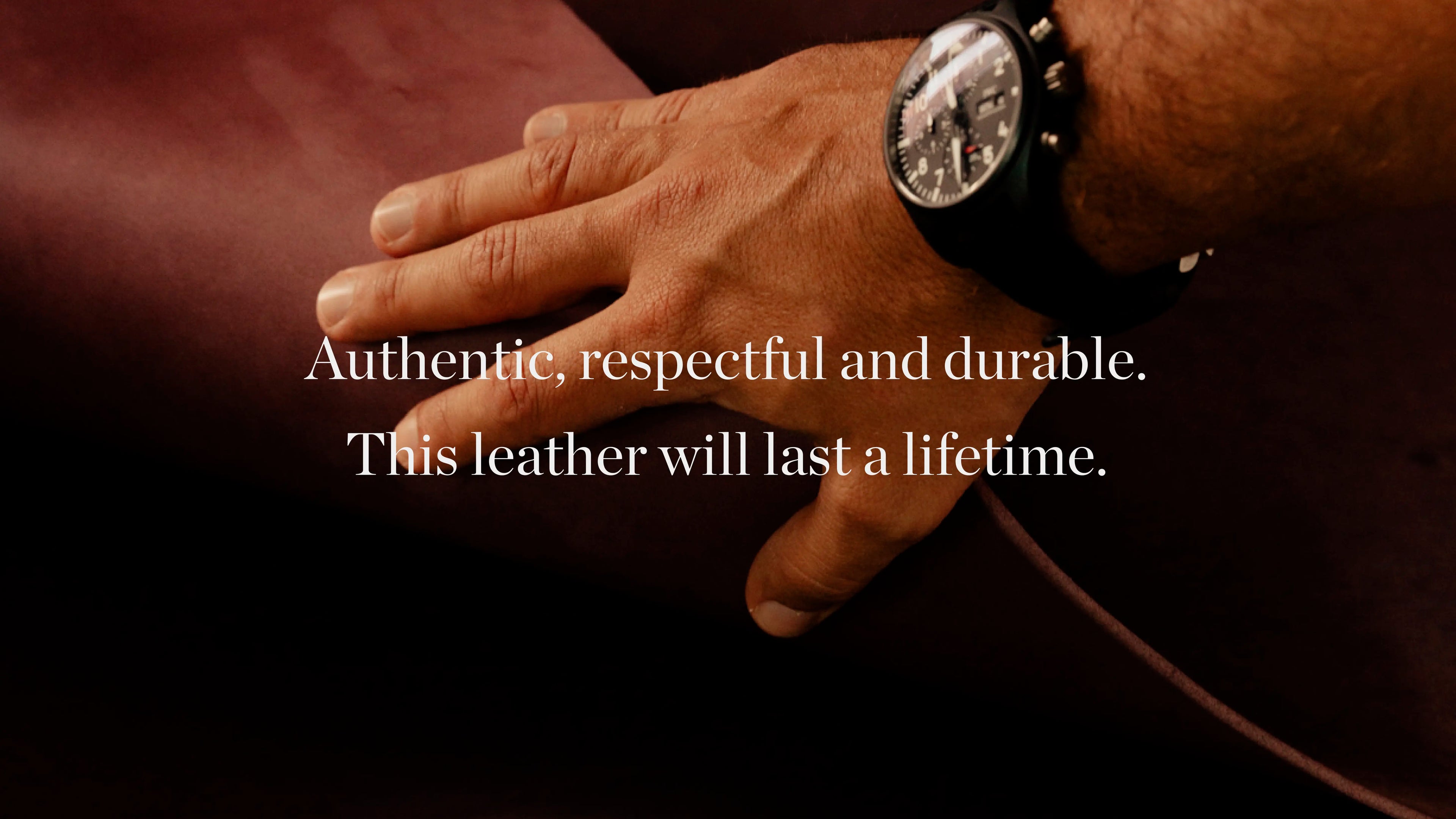
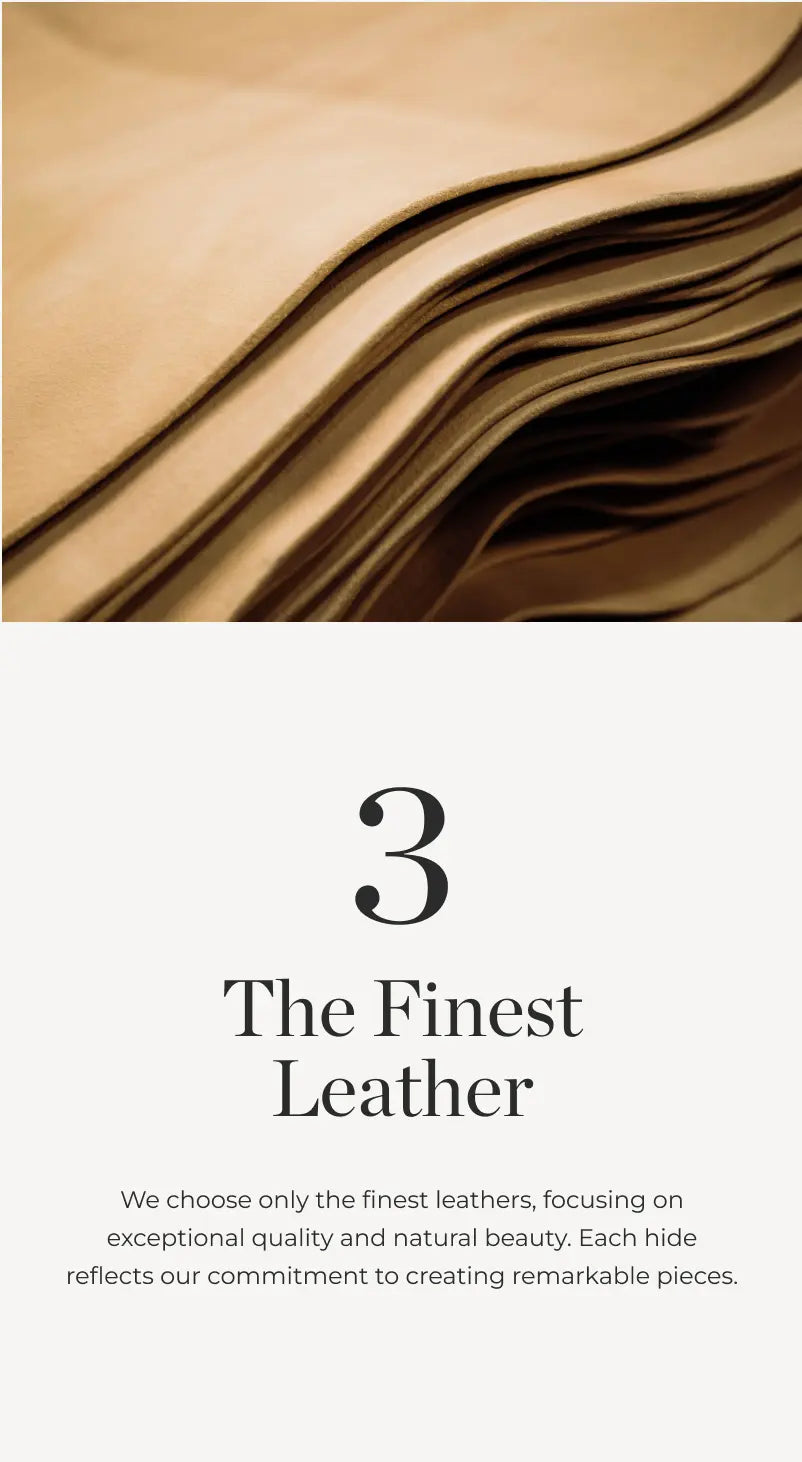
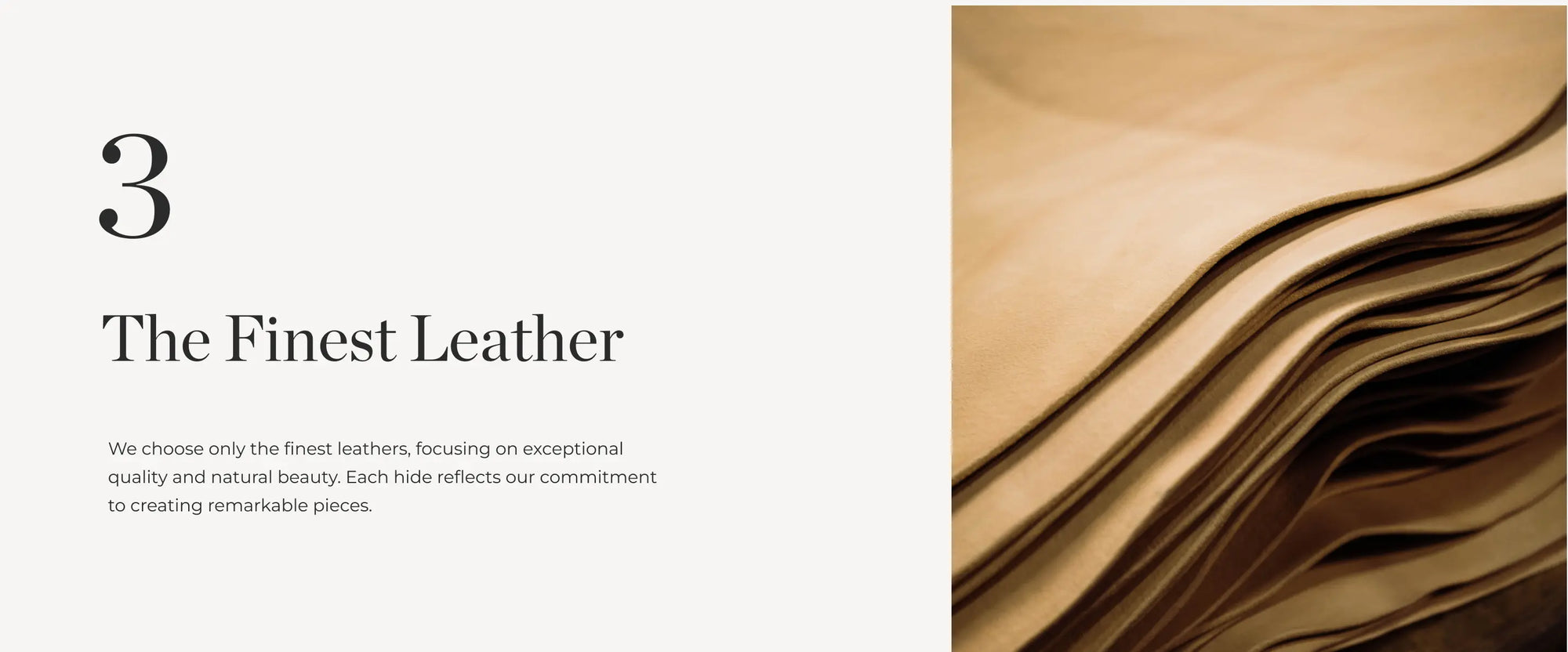
Our Specialty Leather comes from sustainable sources and is selected through a rigorous process. Using traditional vegetable tanning, we work with certified providers who share our commitment to quality and the environment. This method enhances durability and allows the leather to age beautifully, developing a unique patina over time.

Details of the vegetable tanning process of the leather
What is Vegetable-Tanned Leather?
Vegetable-tanned leather is an ancient method of leather processing that preserves the raw quality of the material without using harmful chemicals.
This eco-friendly approach, used by our ancestors, relies on natural materials like bark, leaves, and fruits. The result is a more sustainable leather compared to chemically tanned alternatives.
Discover below the steps of the vegetable tanning process.
Vegetable tanning
One of our secrets lies on the exquisite selection of tannin extracts from trees like Acacia, Quebracho or Mimosa.
Following the same liturgy as they have been doing it for hundreds of years, they place the leather, the tannins and the water into a giant wooden barrel which they keep spinning around for 3-4 weeks, which is the time needed to tan this type of leather.
Draining and drying
Once the leather is tanned, they remove it from the barrels and they press out the spare water.
When the leather is drained, they hang it in breeze dryers with wind currents generated by the mountain breeze. The drying phase ends after 5-7 days, depending on the existent weather.
Reducing thickness
In this process the leather gets divided and reduced in terms of thickness with a really sharp blade. Precision is key, as this careful refinement allows the leather to be worked into a variety of products, ensuring a smooth, flawless finish.
Conditioners & Waxes
One of the last processes consists in giving protection and durability to the leather.
With a mixture of olive oil and beeswax made by our artisans, they create a layer on the leather to protect it and to improve its condition.
Polish
Depending on the type of finish chosen for each leather, they will use one technique or another.
One of the most special processes is to get a final shine polished, obtained by rubbing a special piece of round glass on the leather.
Lamb
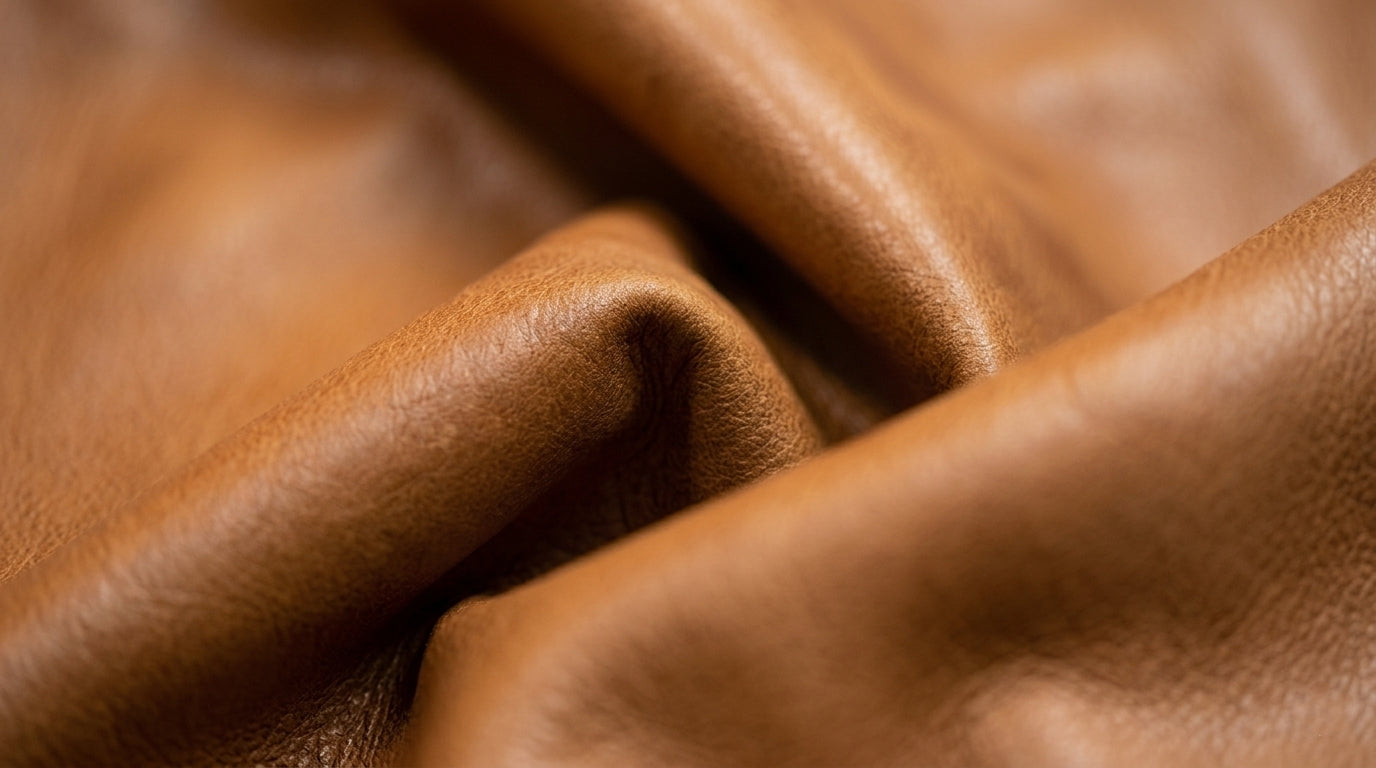
Our finest and smoothest leather. This leather is the most pleasant to touch,
and we mainly use it for our gloves because of its amazing characteristics.
Elastic and resistant, it normally comes in mate and natural tones.
The touch and feel it is absolutely indescribable.
Cowhide
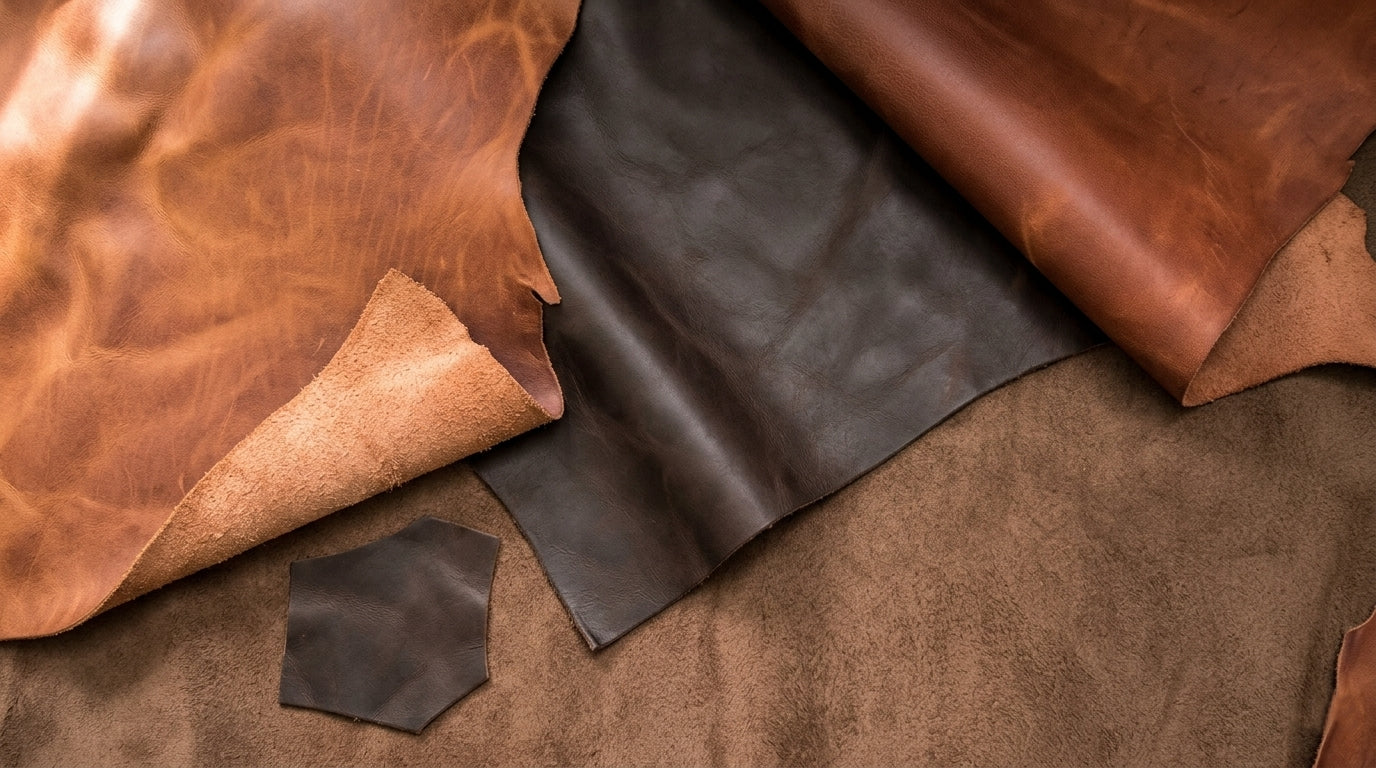
This leather comes from the best cows from the North of Spain, the ‘gochonas’ and the ‘vaca rubia gallega’. These cows enjoy natural spots that can offer the best feeding for their growth, attaining extraordinary quality of leather.
Elk/Deer
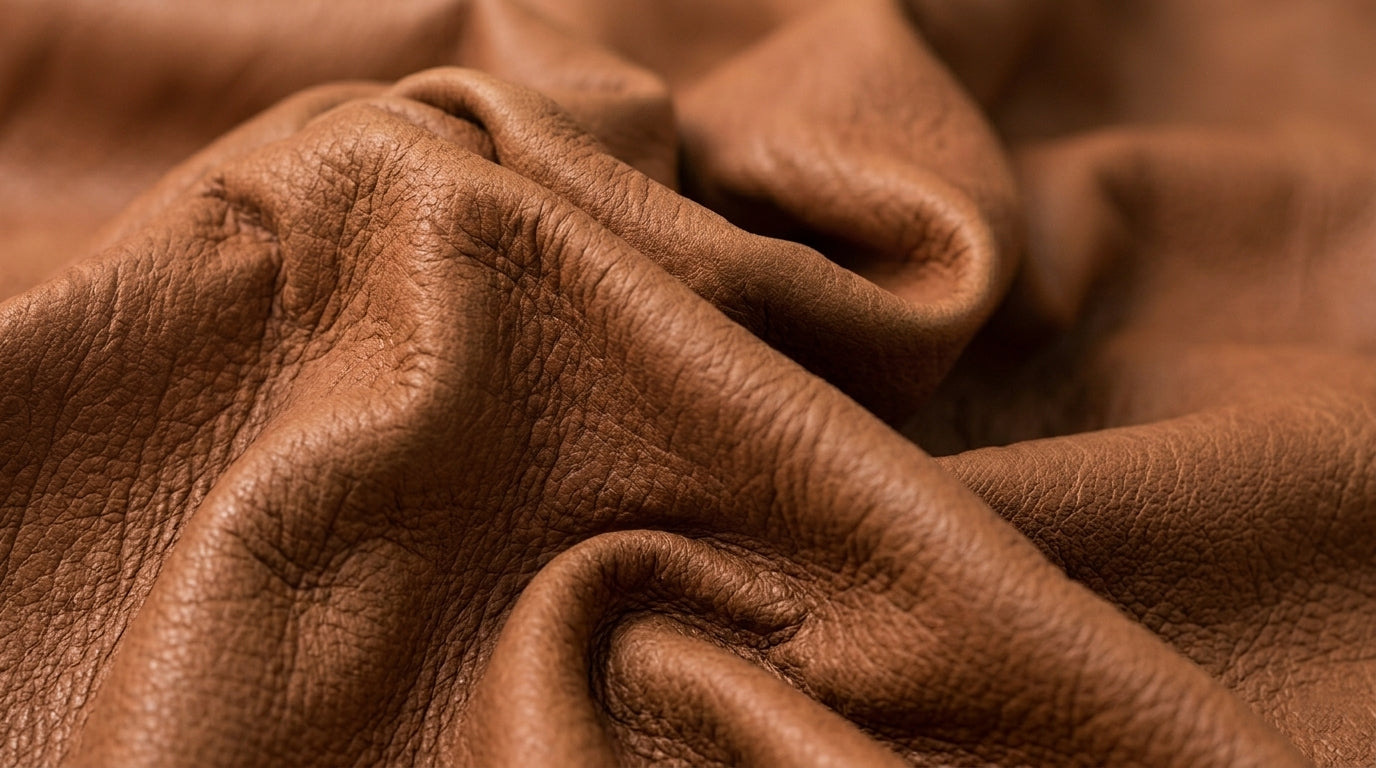
We use Nordic elk and North American deer leather. The softness, thickness and durability of this leather are unique. Elk is often called the king of the forest, a full-grown male can weight over 600 kg. The elk has been a part of Finnish wildlife since the Stone Age, and has an important role in the mythology of the nation. As undomesticated animals, elks are truly at home in the wild, away from humans. They find everything they need in the pristine wilderness. Elk hunting in Finland is controlled by law, in order to ensure that elk populations are kept at sustainable levels.

Cordovan
Shell Cordovan is the art of tanning at its finest. This leather comes from the horse, precisely from its back, oval and shell- shaped. The quantity of the leather that can be obtained is scarce, and its process can take up to six months. Its tanning is handcrafted and considered the most exclusive in the market.
Our Leather. Your Story.
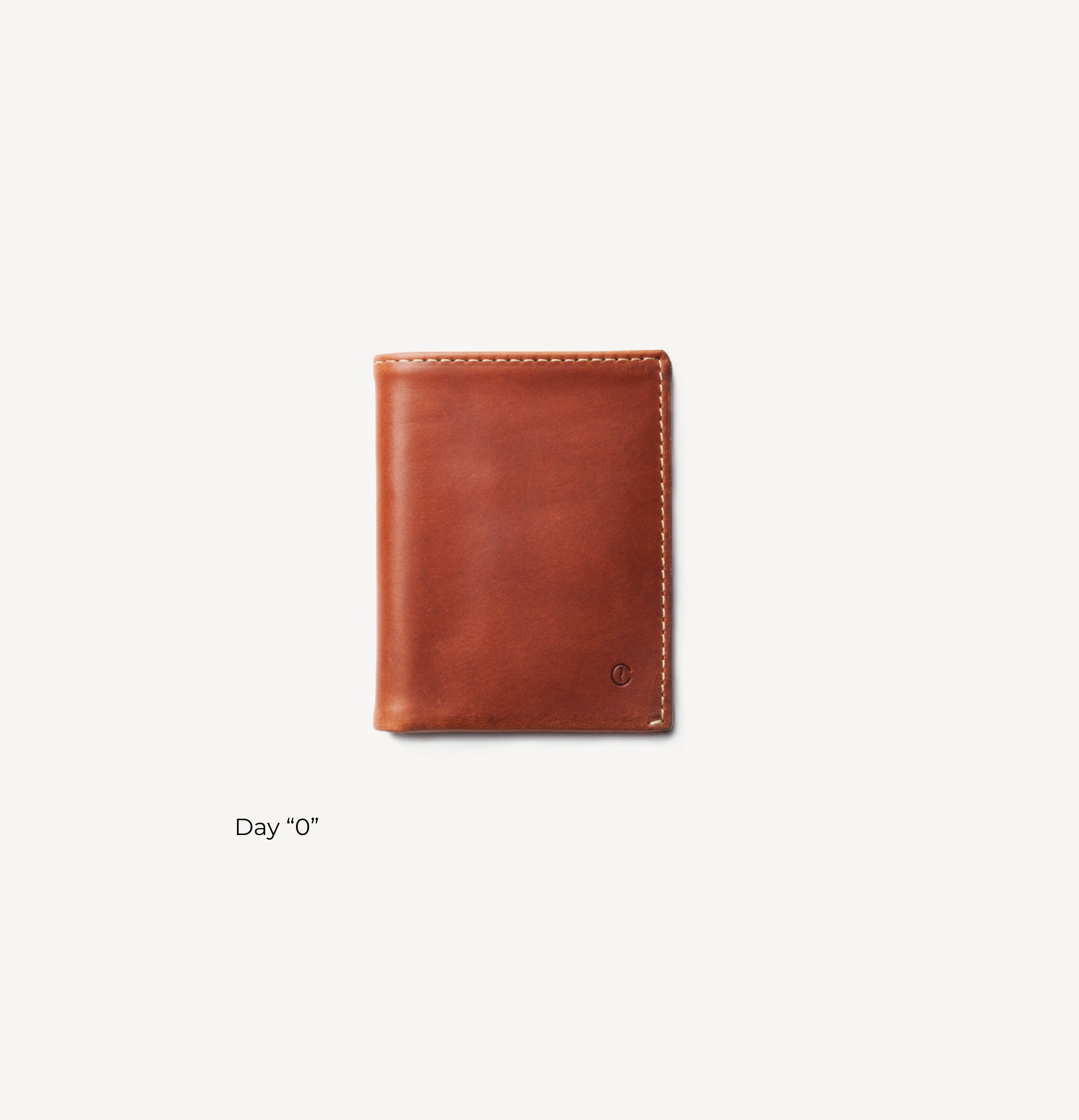
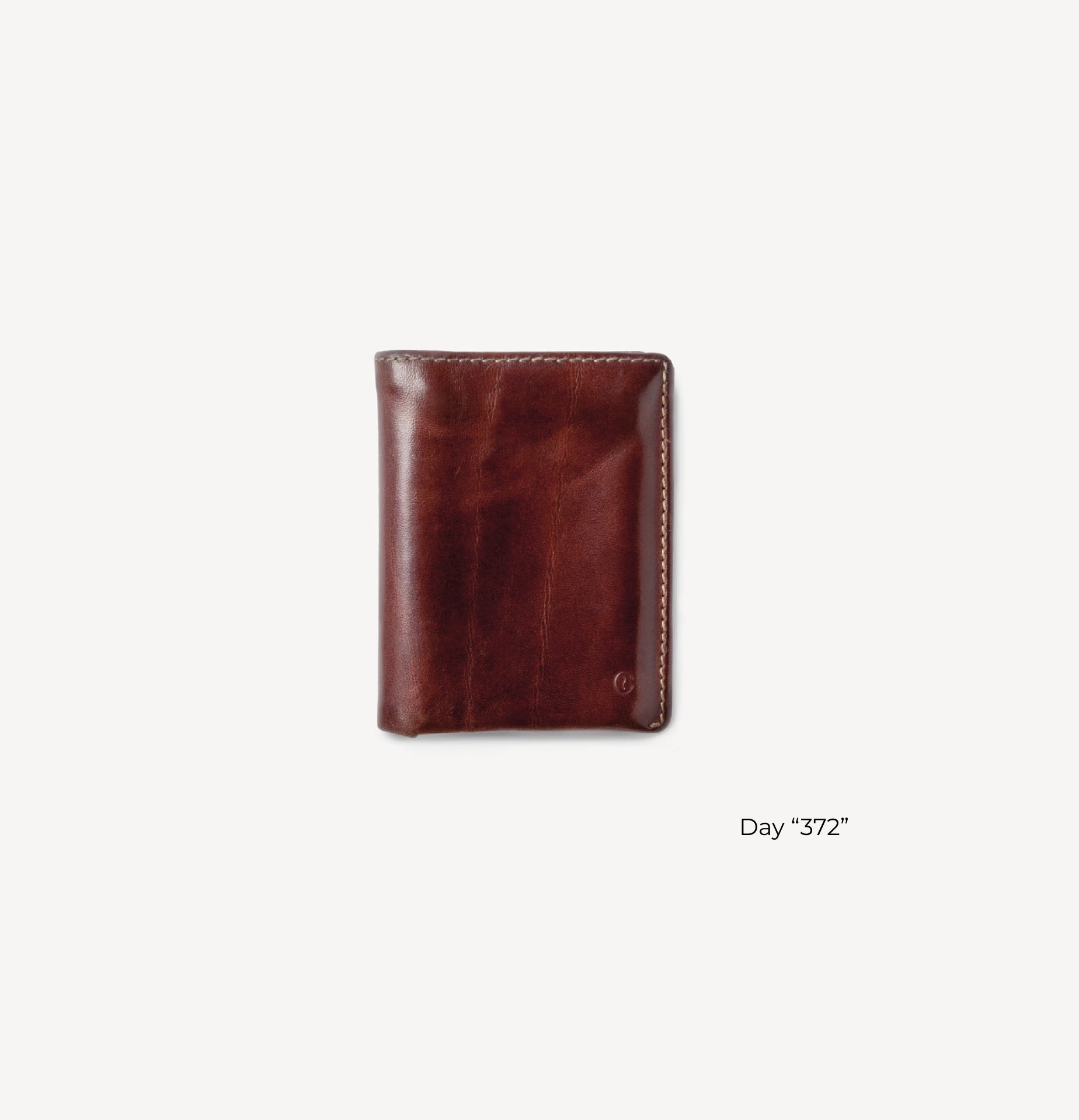
Why choose vegetable tanned leather?
Choosing vegetable-tanned leather means opting for a healthier, more sustainable material for both you and the environment.
Unlike chrome tanning and other chemical processes, vegetable tanning uses natural tannins from trees and plants, avoiding the toxic residues and pollution associated with chemical treatments. Chrome-tanned leather, besides being harmful to the environment, can cause skin irritations and often deteriorates quickly, losing its natural look.
Vegetable-tanned leather, however, ages beautifully, developing a unique patina and becoming even more attractive over time. It’s a conscious choice that prioritizes durability, protects the planet, and celebrates true craftsmanship.
MORE ABOUT THE BRAND
-
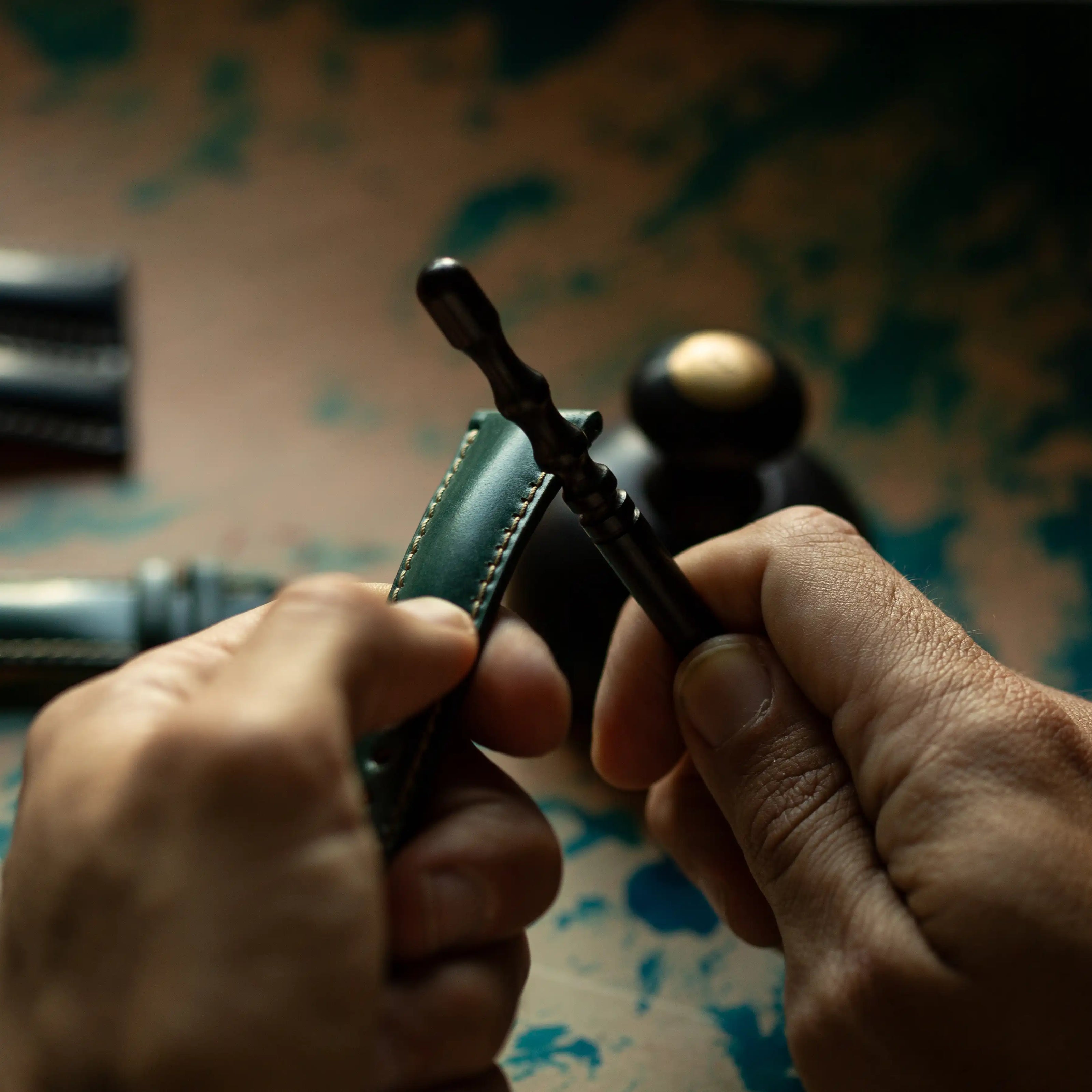
Our Artisans
Learn moreLearn about the craftsmanship that makes each of our leather pieces truly unique. Tradition, artistry and local production that bring our specialty leather goods to life.
-

Sustainability
Learn MoreAt Café Leather, we believe that crafting responsibly is not only possible, but necessary. Our commitment, our values and our materiales support a sustainable way of producing.
-

Our Collaborations
Learn moreWe collaborate with brands that share our values of quality, heritage, and craftsmanship. When aligned, ideas grow naturally and create lasting impact.

