

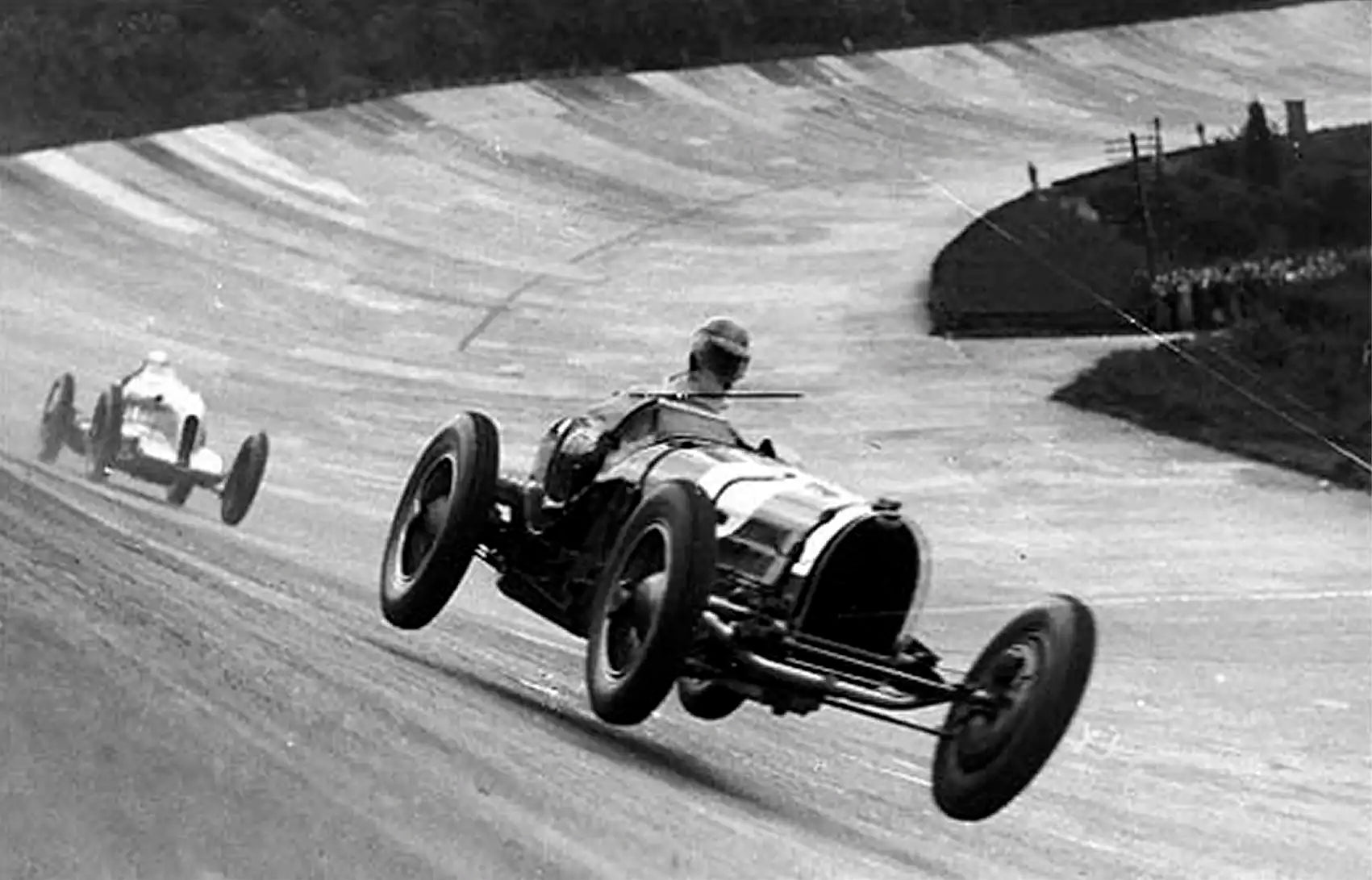
Autódromo de Terramar: Spain’s Forgotten Racing Cathedral
Some places don’t need perfection to be unforgettable. They carry the weight of history in every crack of concrete. The Autódromo de Terramar, located near Sitges in Catalonia, is one of those places.
Built in 1923, this iconic racetrack is not only the oldest circuit in Spain, but also one of the oldest intact racing circuits in the world. While many early tracks disappeared or were rebuilt, Terramar remains almost exactly as it was a century ago: raw, powerful, and steeped in motorsport legend.
For lovers of speed, history, and authentic places, Terramar is nothing less than sacred ground.
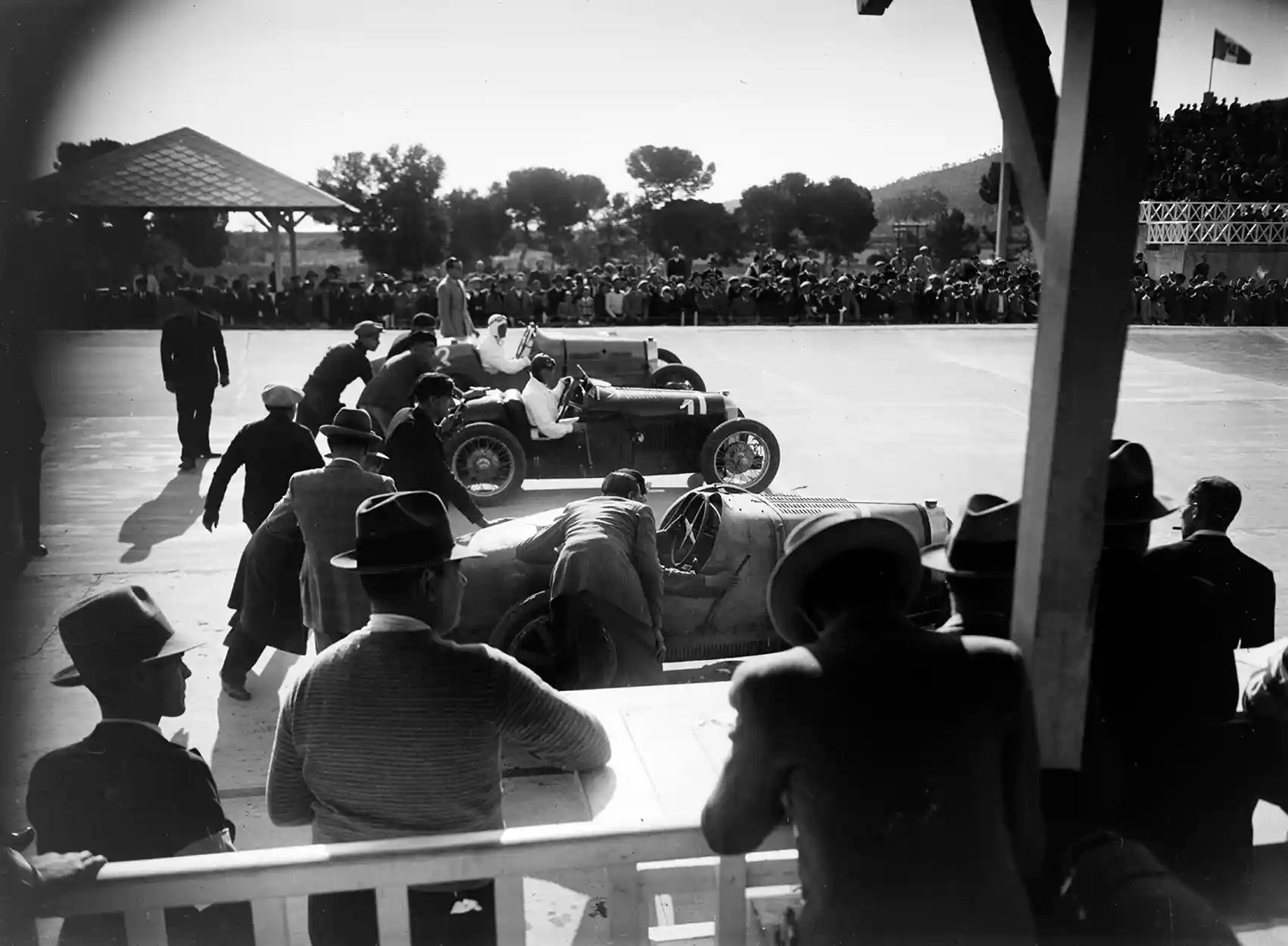
An ambitious project
The Autódromo de Terramar was inaugurated on November 28, 1923, in the municipality of Sant Pere de Ribes, just minutes from Sitges. The project was part of a visionary urban plan known as the “City-Garden” development, imagined by businessman Francesc Armengol during the 1920s.
Armengol wanted more than a racetrack. He envisioned a glamorous motorsport destination that would rival the great European circuits.
At the time, only a handful of dedicated racing circuits existed worldwide. Terramar joined a very exclusive club alongside:
Brooklands in England, Monza in Italy and Indianapolis Motor Speedway in the United States
Among the three early European circuits , Brooklands, Monza, and Terramar, Terramar is the only one that still preserves its original layout intact.

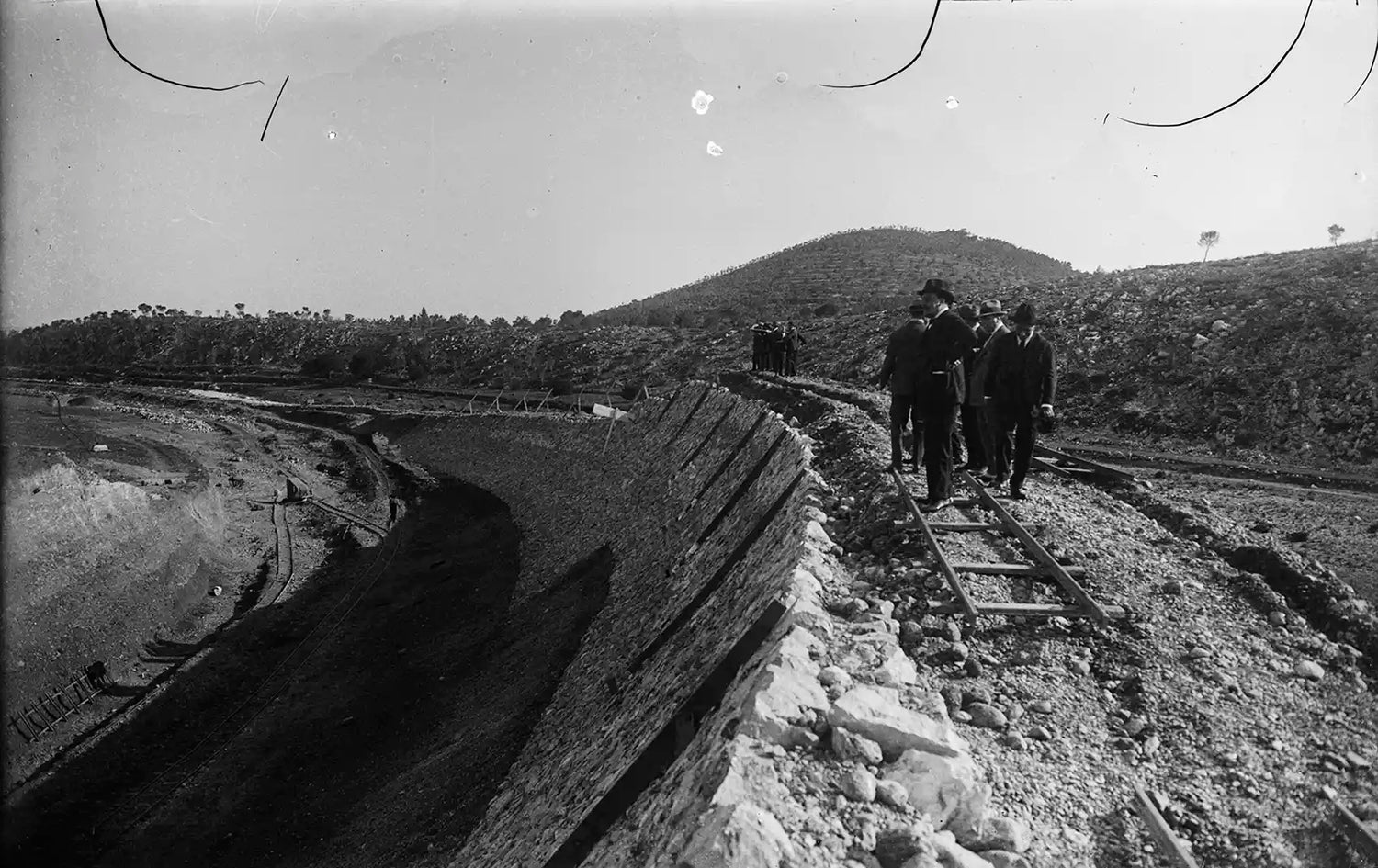

A Record-Breaking Construction
Building the circuit was a feat of engineering. The entire complex was completed in just 300 days, an incredible speed even by modern standards.
The track itself is a 2-kilometer concrete oval, inspired by American racing circuits. Its most famous feature is the extreme banking of its corners, which exceeds 60 degrees of inclination in some sections.
Driving here was, and still is, a dangerous dance between speed and gravity:
- Too slow, and the car slides down the banking
- Too fast, and you risk flying off the track
This brutal design made Terramar one of the most spectacular circuits ever built.

The First Spanish Grand Prix
The circuit’s grand opening hosted the First International Spanish Grand Prix in 1923.
The inauguration was a glamorous event attended by important personalities of the time, including Alfonso de Borbón y Battenberg, then Prince of Asturias.
For a brief moment, Terramar was the epicenter of European motorsport.
A Short but Intense Life
Despite its ambitious beginnings, the circuit’s life was surprisingly short.
Financial problems quickly emerged. The lack of spectators, sponsorships, and sustainable income made it impossible for the project to remain profitable. After only a few years of real activity, the circuit slowly faded from the motorsport calendar.
By the mid-1950s, the Autódromo officially closed.
But its story didn’t end there.
A Circuit That Refused to Disappear
Today, the Autódromo de Terramar exists in a fascinating state of semi-abandonment.
Nature has crept into the surrounding areas, and parts of the infrastructure show the passage of time. Yet the most important thing remains untouched:
The entire original oval track is still standing.
The concrete surface, the dramatic banking, and the full 2-kilometer layout survive almost exactly as they were built in 1923.
That alone makes Terramar one of the most unique historical racetracks on Earth.

Carlos Sainz and the Modern Lap Record
In 2012, Spanish rally legend Carlos Sainz returned life to the circuit for a special event.
Driving an Audi R8 LMS, he completed a lap in just over 42 seconds, reaching an average speed of around 170 km/h.
With that lap, Sainz broke a record that had stood since the circuit’s opening in 1923.
Even after almost a century, Terramar proved it could still deliver pure adrenaline.
