

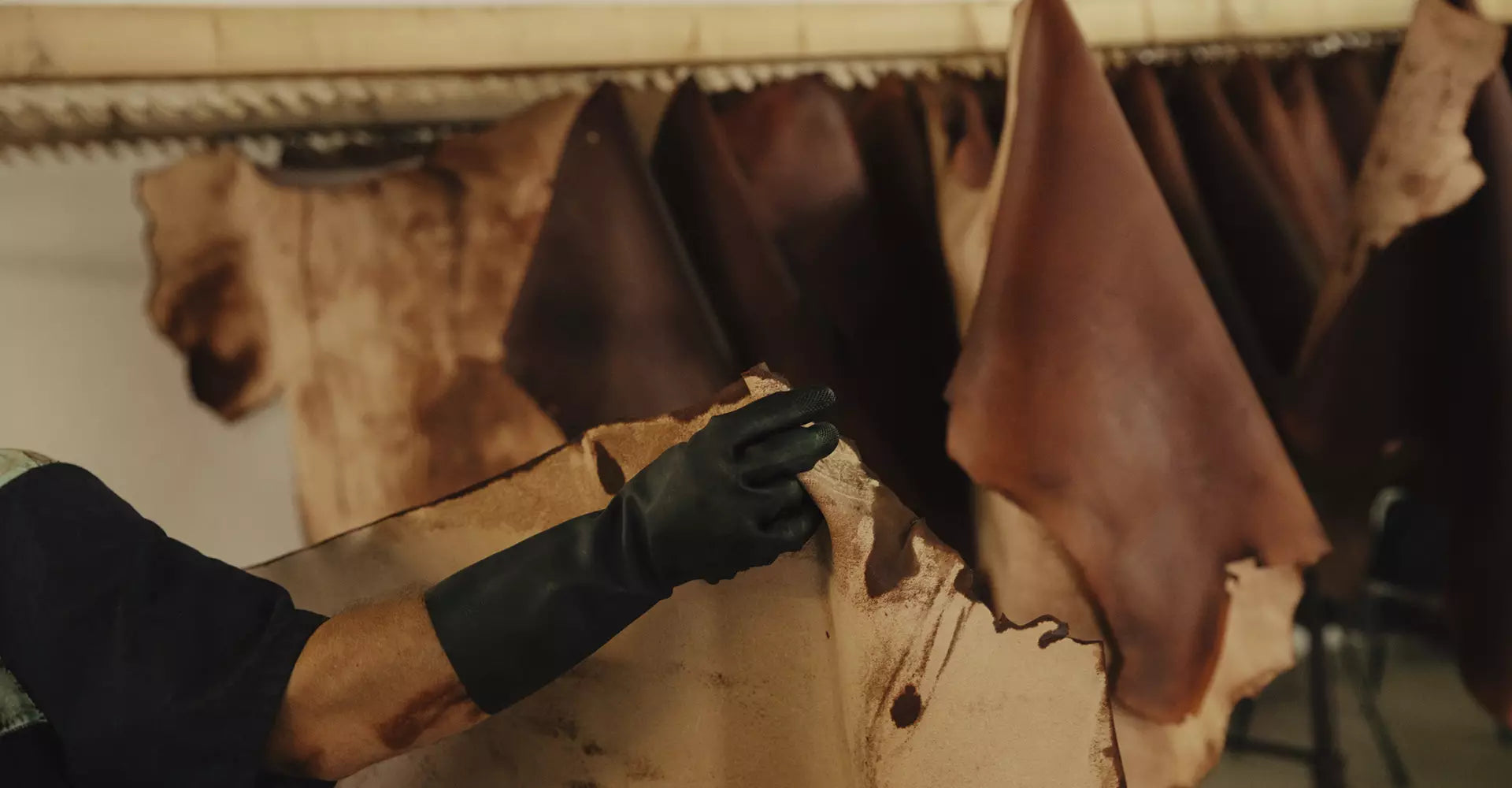
There are no shortcuts when it comes to doing things right.
And leather is no exception.
In a world driven by speed and mass production, vegetable tanning stands as a quiet rebellion. A slower, more honest way of working with one of the oldest materials known to man.
It’s not just a process. It’s a philosophy.
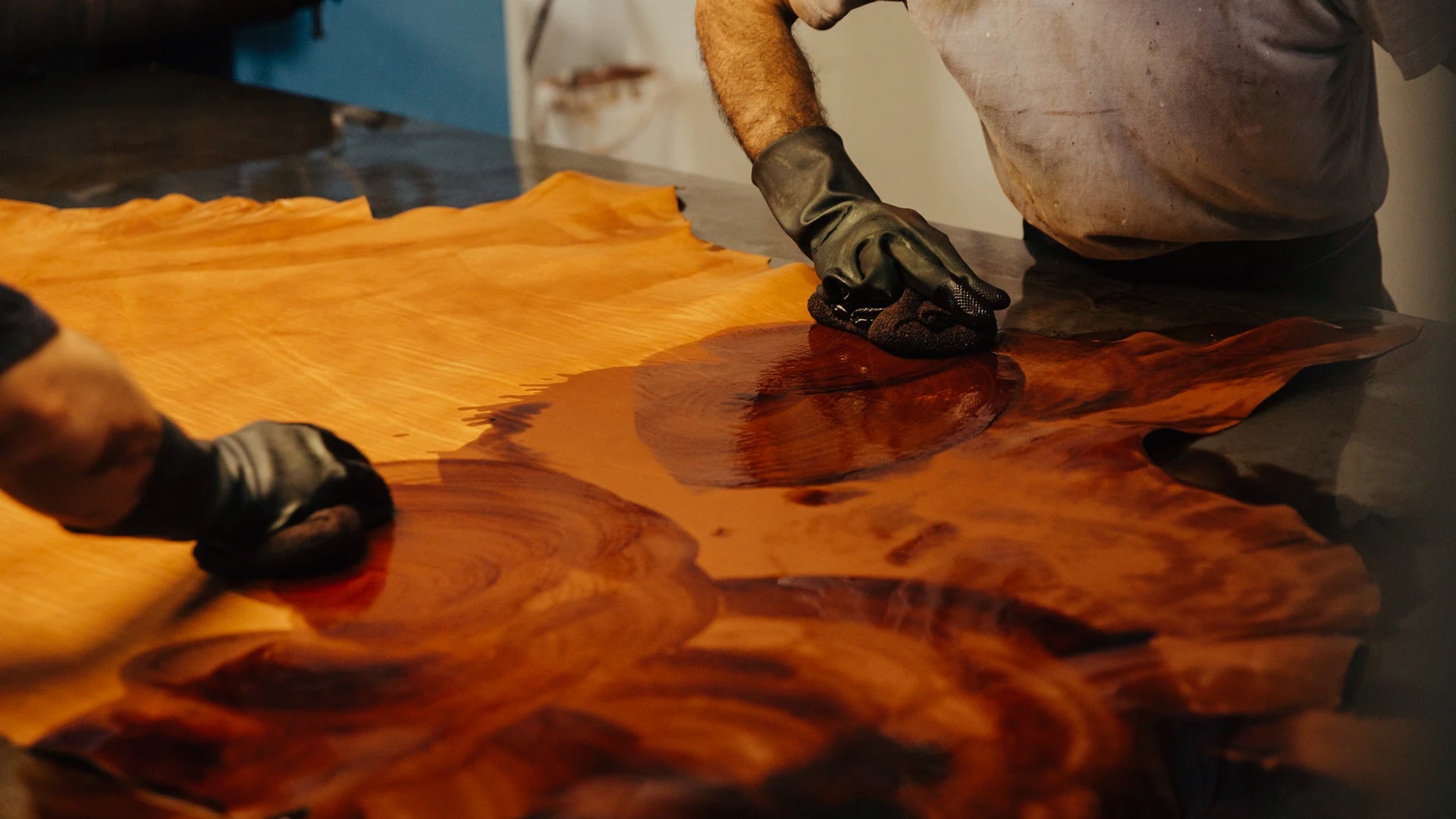
What Is Vegetable Tanning?
Vegetable tanning is one of the oldest methods of transforming raw hides into durable leather. Instead of relying on synthetic chemicals, it uses natural tannins extracted from plants, such as tree bark, leaves, and fruits.
This process takes time. Often, weeks or even months are allowed for the leather to develop strength, flexibility, and a character that cannot be replicated by industrial shortcuts.
The result is a material that feels alive. One that evolves.
Why It Matters
Most leather produced today is treated using chrome tanning, a fast and cost-effective method that uses heavy chemicals to accelerate production.
Vegetable tanning, on the other hand, is different in every sense:
It is natural, avoiding harmful chemical compounds.
It is biodegradable, respecting the environment.
It creates leather that ages beautifully, developing a unique patina over time.
This is leather that tells a story, not just of where it’s been, but of how it was made.

A Rare Craft in a Mass-Produced World
Today, less than 10% of the world’s leather is vegetable tanned.
Why? Because it requires more time, more skill, and more patience. It cannot be rushed. It cannot be industrialized in the same way.
But that’s exactly what makes it valuable.
Every piece of vegetable-tanned leather carries the mark of a process that prioritizes quality over speed, and craftsmanship over volume.
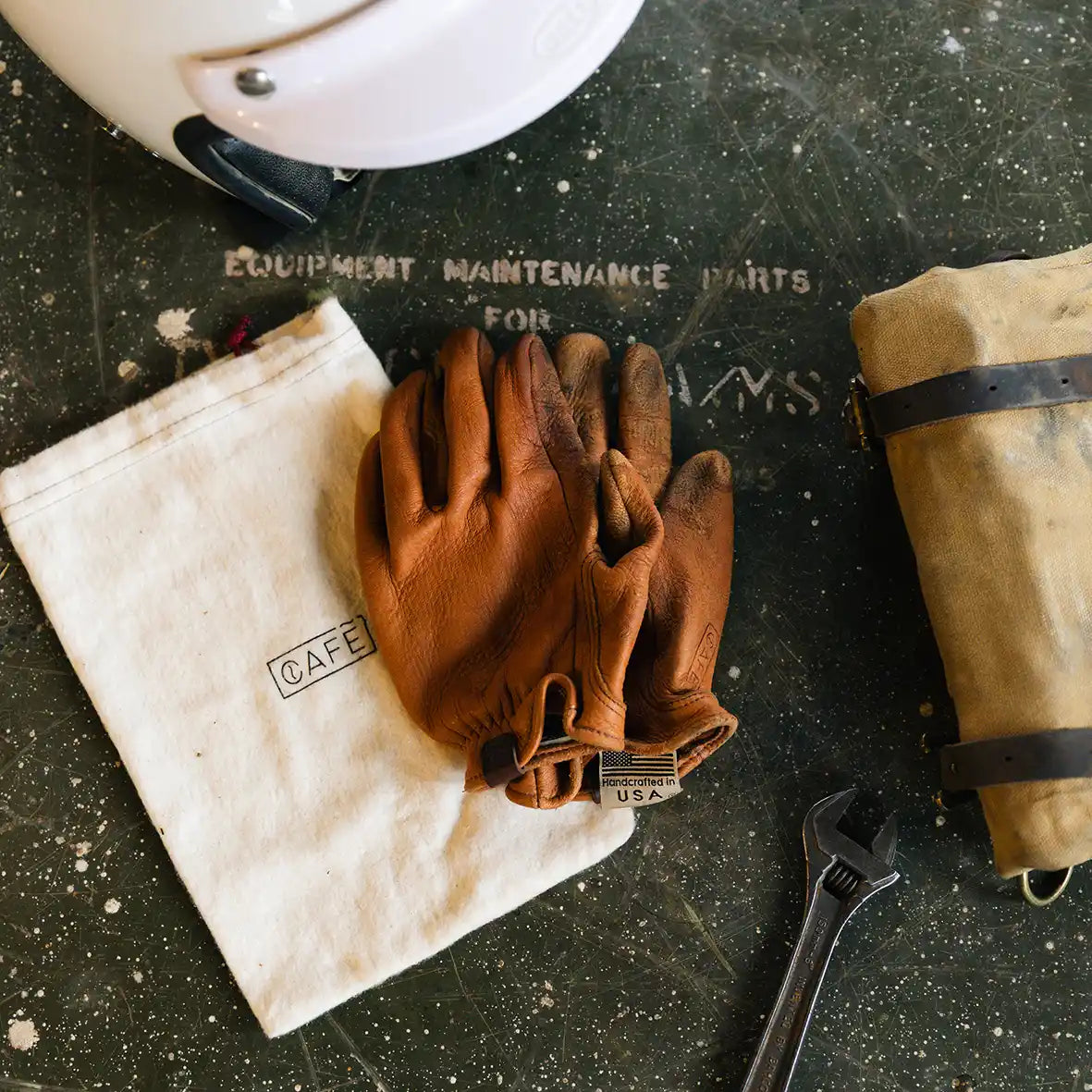
Leather That Ages With You
Unlike chemically treated leather, vegetable-tanned leather doesn’t stay the same.
- It darkens.
- It softens.
- It develops a patina that reflects every journey, every use, every moment.
No two pieces age in the same way. And that’s the point.
More Than a Material
Choosing vegetable-tanned leather is not just about aesthetics. It’s about understanding where things come from.
About valuing the time behind the product.
About choosing something that will last and get better with it.
Because in the end, the best materials aren’t the ones that look perfect on day one. They’re the ones that earn their character over time.